
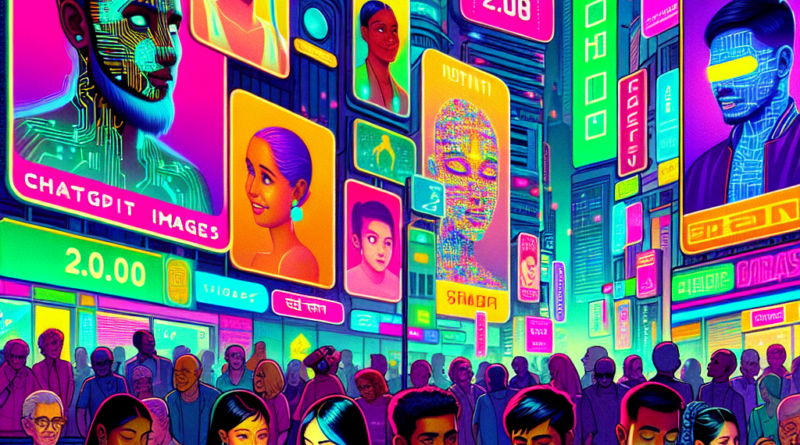
ChatGPT Images 2.0 is a hit in India, but not a big winner elsewhere, yet
ChatGPT Images 2.0: A Big Hit in India but Yet to Capture Global Attention
In the dynamic world of artificial intelligence, the launch of OpenAI’s ChatGPT Images 2.0 has sparked a significant buzz in technological and creative sectors. While the AI-powered image generation tool has seen a remarkable uptake and enthusiastic reception in India, it’s curiously struggled to achieve the same level of acclaim in other countries thus far. This bifurcated reception warrants a deeper dive into the factors driving India’s warm embrace of the technology, contrasted with its lukewarm reception elsewhere.
Since its debut, ChatGPT Images 2.0 has aimed to democratize artistic creation by allowing users to generate stunning visuals from simple text prompts. By integrating sophisticated algorithms and leveraging deep learning, the tool empowers users to effortlessly turn their concepts into vivid imagery. It’s an advancement that holds substantial promise for sectors such as advertising, design, and media, where visual storytelling is key.
India’s Enthusiastic Adoption
India’s historic and cultural penchant for vibrant storytelling might be a contributing factor to why ChatGPT Images 2.0 has been an instant success there. The tool has been particularly laudable in India due to its accessibility and the growing digital literacy among the population. The affordability and rapid absorption of cutting-edge technologies provide fertile ground for innovation in India. Furthermore, India’s robust IT sector and burgeoning startup ecosystem have been quick to recognize the potential of AI-driven tools to enhance creative processes.
Educational institutions and tech enthusiasts across India have also shown great interest in ChatGPT Images 2.0, assimilating it into curriculums that integrate technology and the arts. Moreover, for small and medium enterprises (SMEs) operating on limited budgets, the tool offers a cost-effective solution for creating professional-grade marketing content without the need for expensive software or a large team of designers.
Local artists and content creators have also embraced the tool, filling social media with a plethora of AI-generated artworks that have captured national attention. The flexibility of the tool to adapt to diverse cultural themes and aesthetics further adds to its appeal in the Indian market.
Challenges to Broader Acceptance
Despite its success in India, ChatGPT Images 2.0 has not yet managed to capture the same level of interest globally. Several factors may contribute to this disparity. Countries with established graphic design industries might not perceive the tool as a significant advancement over existing technologies. There may also be a level of apprehension regarding the potential displacement of human roles in creative sectors, particularly in regions where traditional creativity is deeply revered.
In Western markets, for instance, users might be more reserved due to privacy concerns and the lack of clarity about AI’s role in ethically generating content. Legal frameworks surrounding the use of AI-generated images also remain ambiguous in many countries, potentially stalling adoption.
Another contributing factor may be the saturation of digital tools available in developed markets. In regions like North America and Europe, there’s a plethora of competitive software providing similar capabilities, making it more difficult for ChatGPT Images 2.0 to stand out.
Navigating Future Prospects
For ChatGPT Images 2.0 to replicate its success beyond Indian borders, there may be a need for strategic adaptations in communication and marketing approaches. OpenAI might look at tailoring features specifically appealing to different cultural and professional contexts. Collaborations with local stakeholders or influential entities could aid in demystifying and increasing engagement with the technology.
Furthermore, enhancing transparency with regards to AI’s ethical use and ensuring robust data privacy measures could help alleviate some of the skepticism in global markets. Continued investment in linguistic and cultural adaptations might also pave the way for broader acceptance.
Conclusion
As technology continues to forge a new frontier in creative processes, the story of ChatGPT Images 2.0 illustrates both the eagerness and trepidation of a world adjusting to AI’s expanding reach. While India gears up as a frontrunner in adopting this new tool, it represents just a chapter in a larger narrative. Whether ChatGPT Images 2.0 can leverage its Indian success to capture global acclaim remains an ongoing story, watching closely how global culture, technology readiness, and policy shifts play into AI’s evolution in the arts.